


🔧 GripLock Pro™ – Self-Locking Ratchet Pliers | Secure Grip, Less Effort 🛠️
🔧 GripLock Pro™ – Self-Locking Ratchet Pliers | Secure Grip, Less Effort 🛠️

BUNDLE & SAVE
Couldn't load pickup availability

🔧 GripLock Pro™ – Self-Locking Ratchet Pliers | Secure Grip, Less Effort 🛠️
Keep the grip.
Ease the constant squeeze.
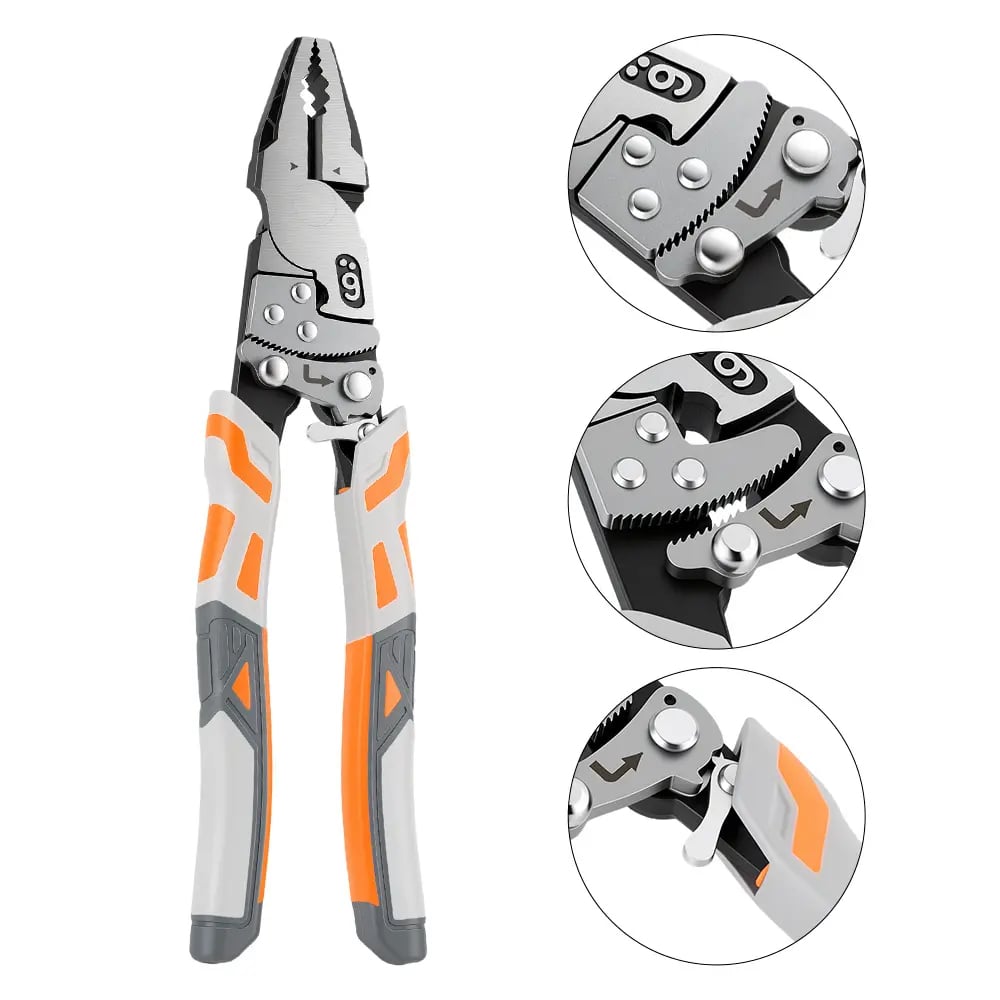
Hold a suitable workpiece with help from a progressive ratchet lock. These dual-mode pliers combine familiar gripping action with a mechanism that maintains the engaged jaw position.
Focus on the task.
Let the ratchet help hold.
Positioning a component is easier when your grip does not depend entirely on continuous hand pressure. Engage the mechanism to help maintain the hold while you concentrate on the next step.
Progressive engagement.
A grip you can maintain.
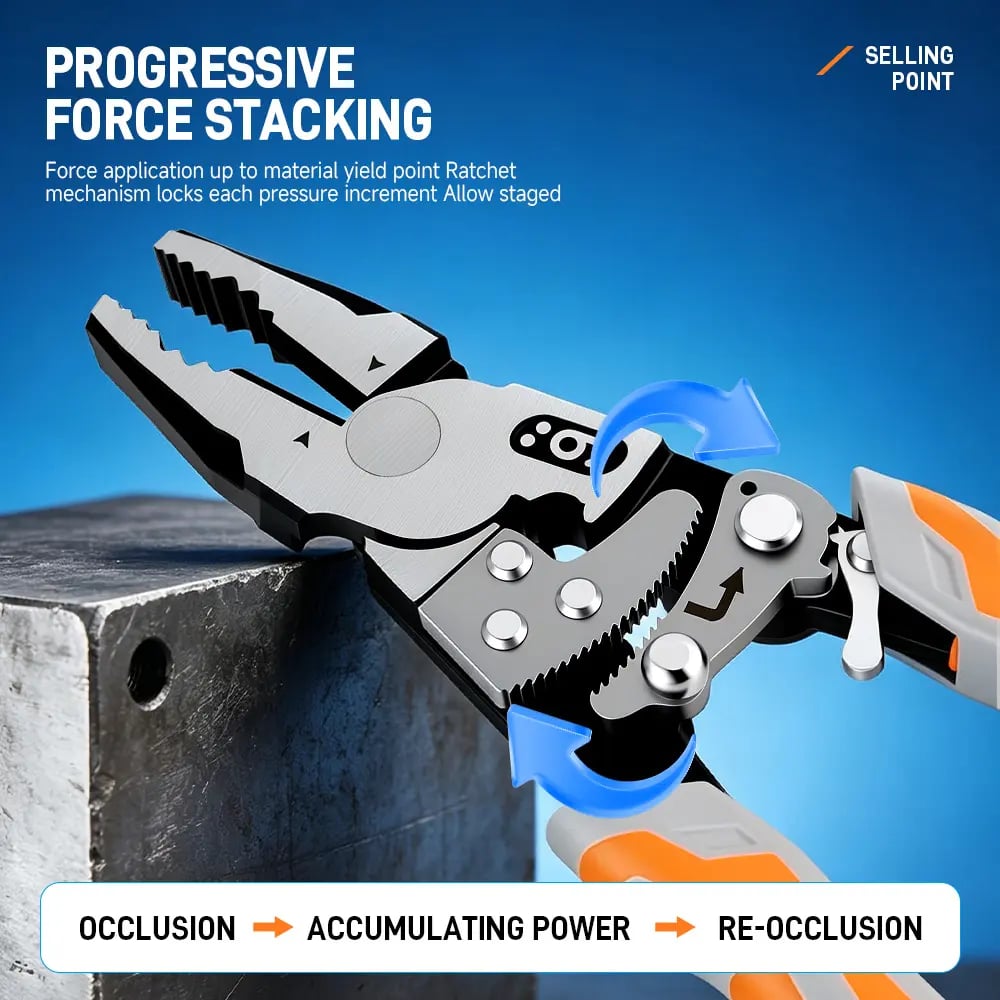
As the handles close, the ratchet engages in stages to help retain the jaw position. Apply the pressure appropriate for the workpiece and check the hold before continuing.
Use controlled pressure. Serrated jaws and excessive clamping force can mark or damage delicate materials.
Everyday gripping.
Or a ratchet-assisted hold.
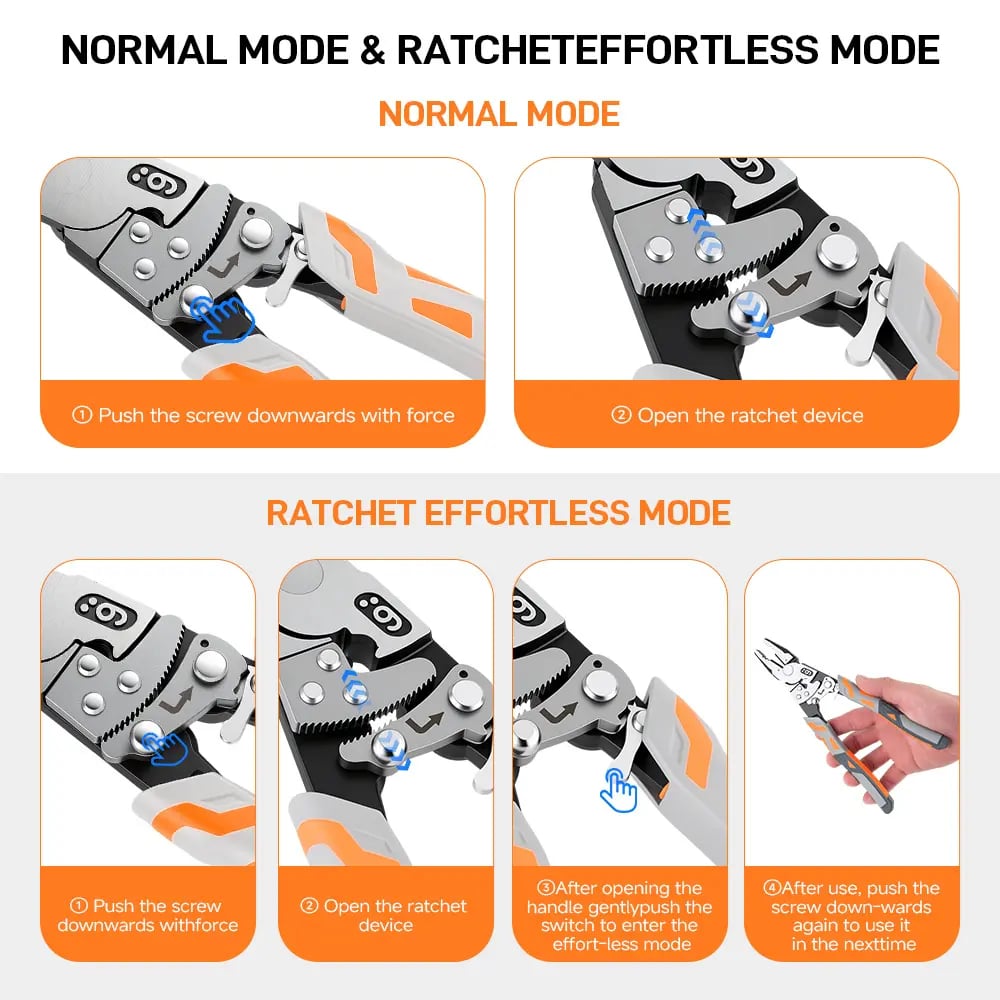
Use normal mode for familiar open-and-close operation. Select ratchet mode when you want the mechanism to help maintain the engaged position.
Two operating modes give you a choice for quick adjustments and longer holding tasks.
Follow the supplied instructions for switching modes and releasing the lock.
Serrated jaws.
Purposeful contact.
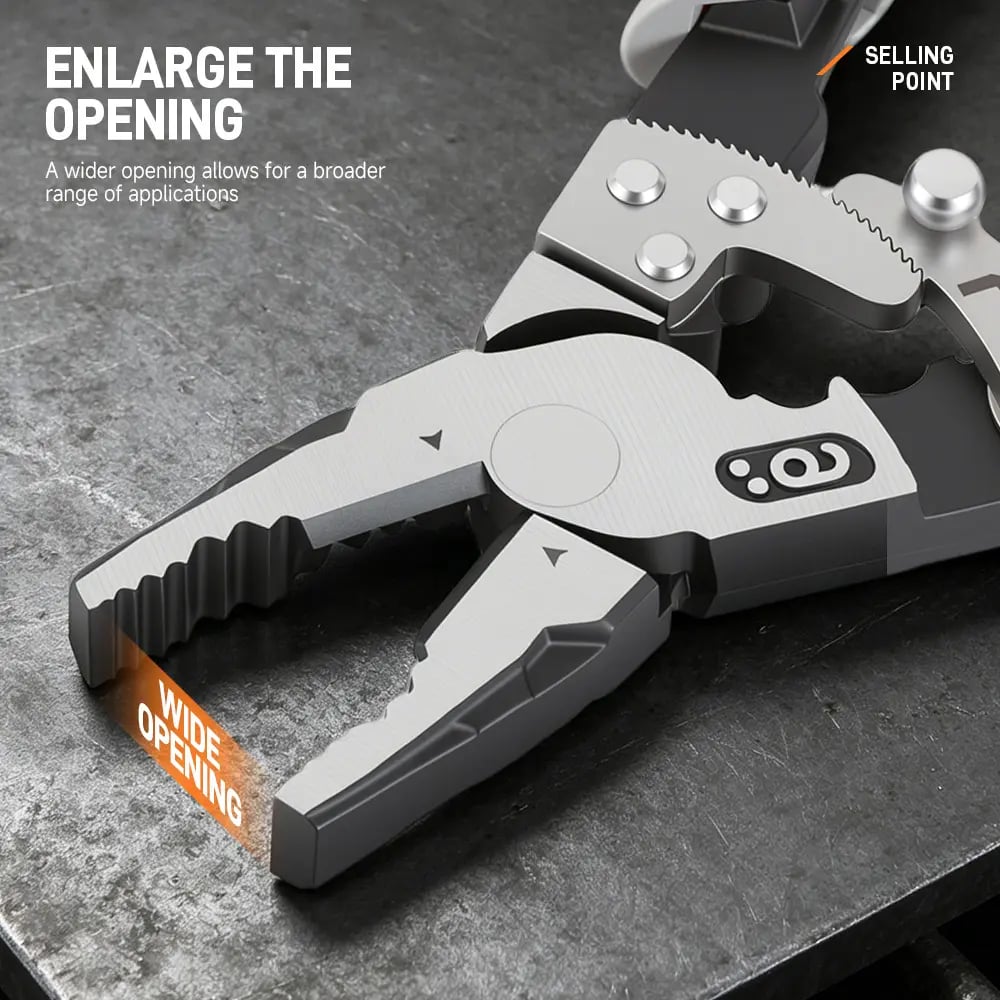
The textured gripping faces engage suitable hardware and components. Position the workpiece within the jaw capacity and seat it securely before applying pressure.
Useful for holding, positioning, and handling compatible parts during everyday repair work.
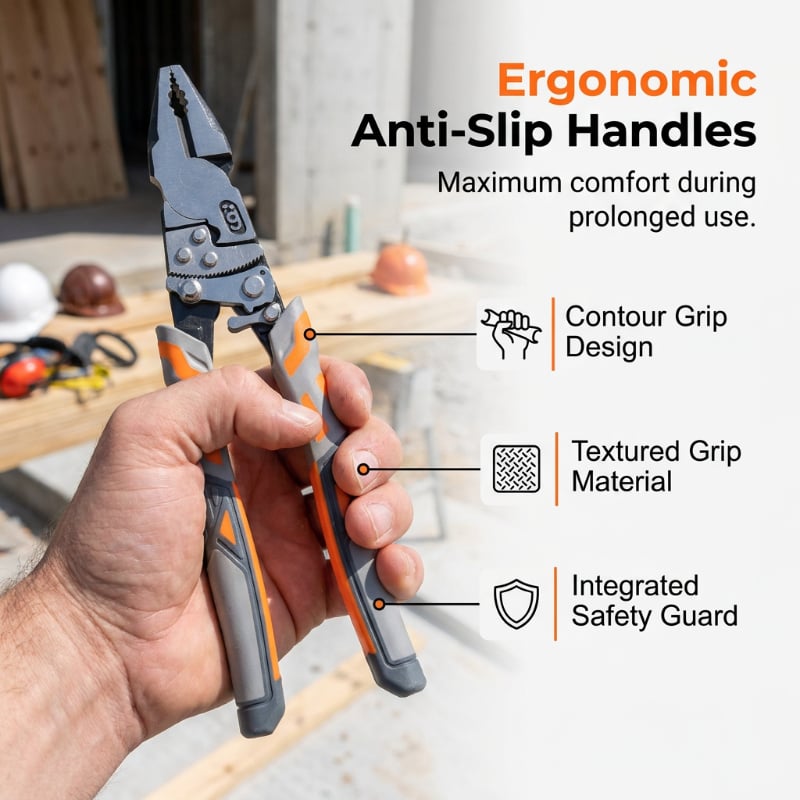
Shaped for your hand.
Textured for control.
Contoured handles and textured grip sections provide a defined place for your hand during repeated gripping and positioning tasks.
Handle coverings are not proof of electrical insulation. Do not use on live circuits.
Steel construction.
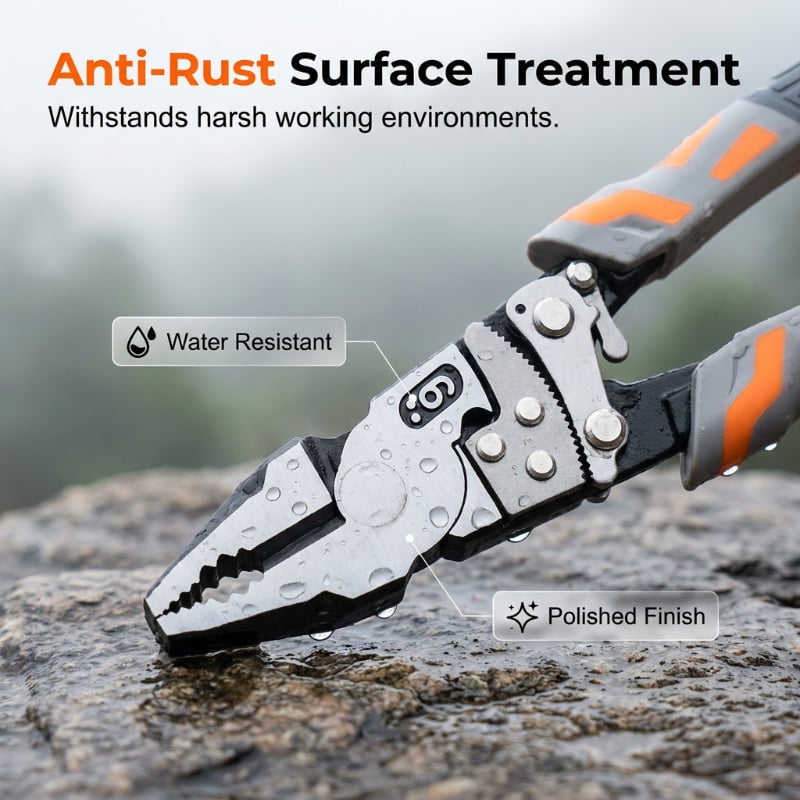
A practical workshop finish.
The listed specification identifies No. 55 steel with a corrosion-resistant surface treatment. The exposed mechanism makes the tool's locking action a visible part of its design.
Wipe the tool clean after use, dry it before storage, and maintain the moving parts according to the care instructions.
A useful grip
for the jobs that come up.
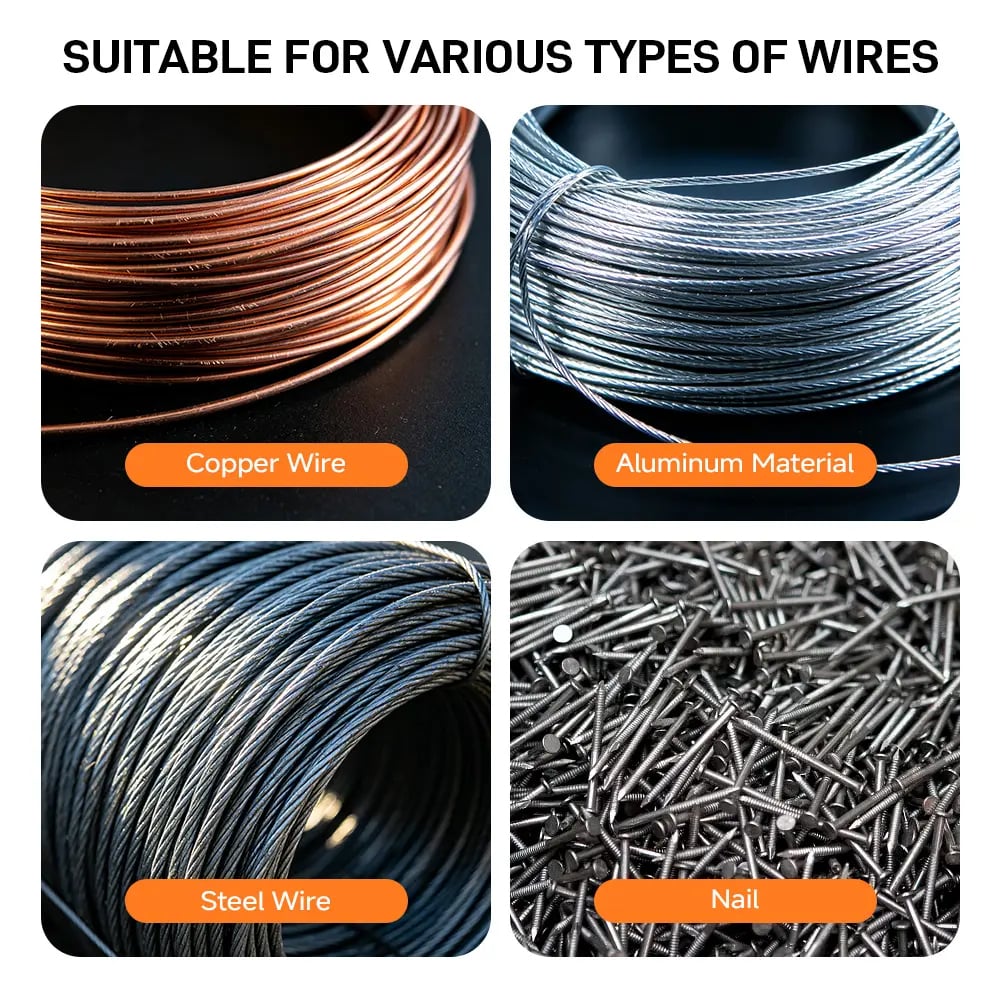
Hold and position suitable wire, pins, fittings, and other small hardware during workshop, automotive, and household repair tasks.
Material examples do not establish cutting capacity. Check the tool's ratings before cutting wire or working with hardened components.
From positioning parts
to finishing the repair.
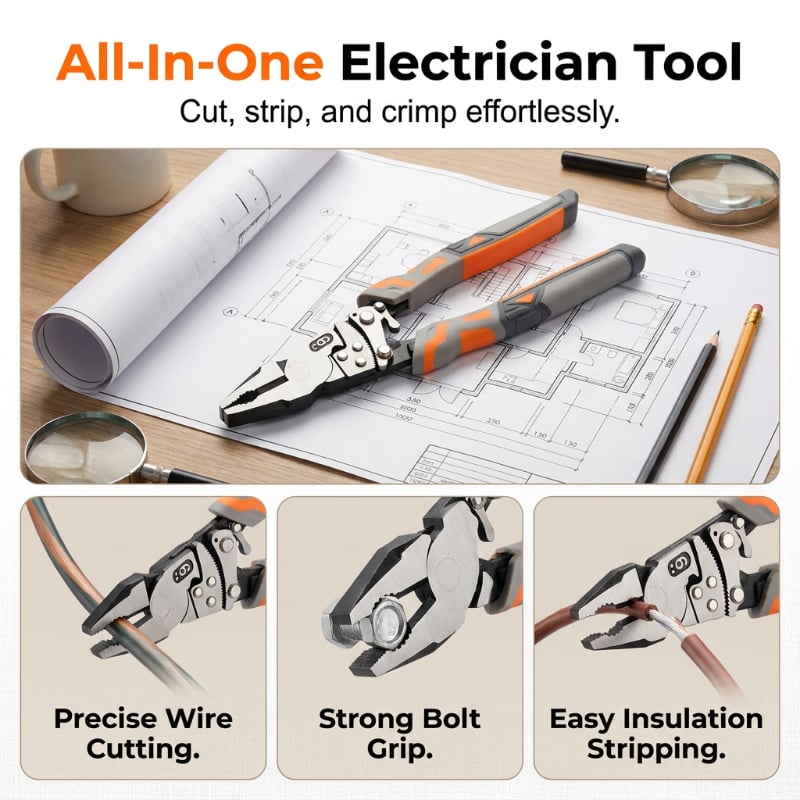
Bring a dual-mode grip to your maintenance setup. The product images also illustrate wire-working functions for compatible materials.
Match each task to the manufacturer's stated capacity and use the correct working section of the tool.
A more versatile way to hold.
Progressive ratchet lock
Helps maintain the engaged jaw position with less reliance on continuous squeezing.
Two working modes
Choose conventional operation or ratchet-assisted holding for the task at hand.
Textured gripping faces
Serrated jaws provide contact with suitable workpieces within the tool's capacity.
Contoured handles
Shaped and textured grip areas support controlled handling during everyday work.
The practical details.
- Product type
- Self-locking ratchet pliers
- Listed material
- No. 55 steel
- Listed size
- 9 inches / approximately 22.9 cm
- Listed weight
- Approximately 458 g / 16.2 oz
- Operating modes
- Normal mode + ratchet self-locking mode
- Jaw and handle
- Serrated gripping surfaces and contoured, textured handles
- Surface finish
- Listed corrosion-resistant treatment
- Package contents
- 1 × self-locking ratchet pliers
Before the next job.
What does the self-locking mechanism do?
The ratchet progressively engages as the handles close and helps maintain the selected jaw position. Check that the workpiece is secure before continuing.
Can I use them like ordinary pliers?
Yes. The product provides normal operation as well as a ratchet-assisted mode. Follow the supplied instructions to select and release each mode.
Are the handles electrically insulated?
No electrical insulation rating is provided. Treat the tool as non-insulated and use it only on de-energized circuits that have been verified dead.
What wire sizes can it cut or strip?
Exact wire gauges, hardness limits, and stripping or crimping capacities are not specified in the listing. Check the manufacturer's instructions before using these functions.
Will the jaws mark a finished surface?
Serrated jaws can leave marks, particularly with higher clamping pressure. Use a tool suited to the surface when the finish must remain unmarked.
Does the finish make the tool rust-proof?
A corrosion-resistant treatment is listed, but that does not make the tool immune to rust. Clean and dry it after use and store it away from prolonged moisture.
Grip with purpose.
Hold with help.
Add progressive locking and familiar plier operation to your everyday repair toolkit.
Choose Your Ratchet Pliers ↑


